

Services / 02
Mental engagement built around what someone actually finds interesting.
Games, puzzles, memory work and learning something new, chosen to fit the person rather than a worksheet.
What this looks like
Brain-stimulating activity
Engagement has to be interesting to be sustained. An activity that feels like a test gets refused by the second visit, and rightly so. We start from what a person already cares about and build difficulty from there, which means the work looks completely different from one client to the next.
Difficulty is set honestly. Handing a sharp person a children’s puzzle is its own kind of insult, and most people can tell immediately when they are being managed. If something is too easy we say so and change it. If something has become too hard we change that too, without commentary.
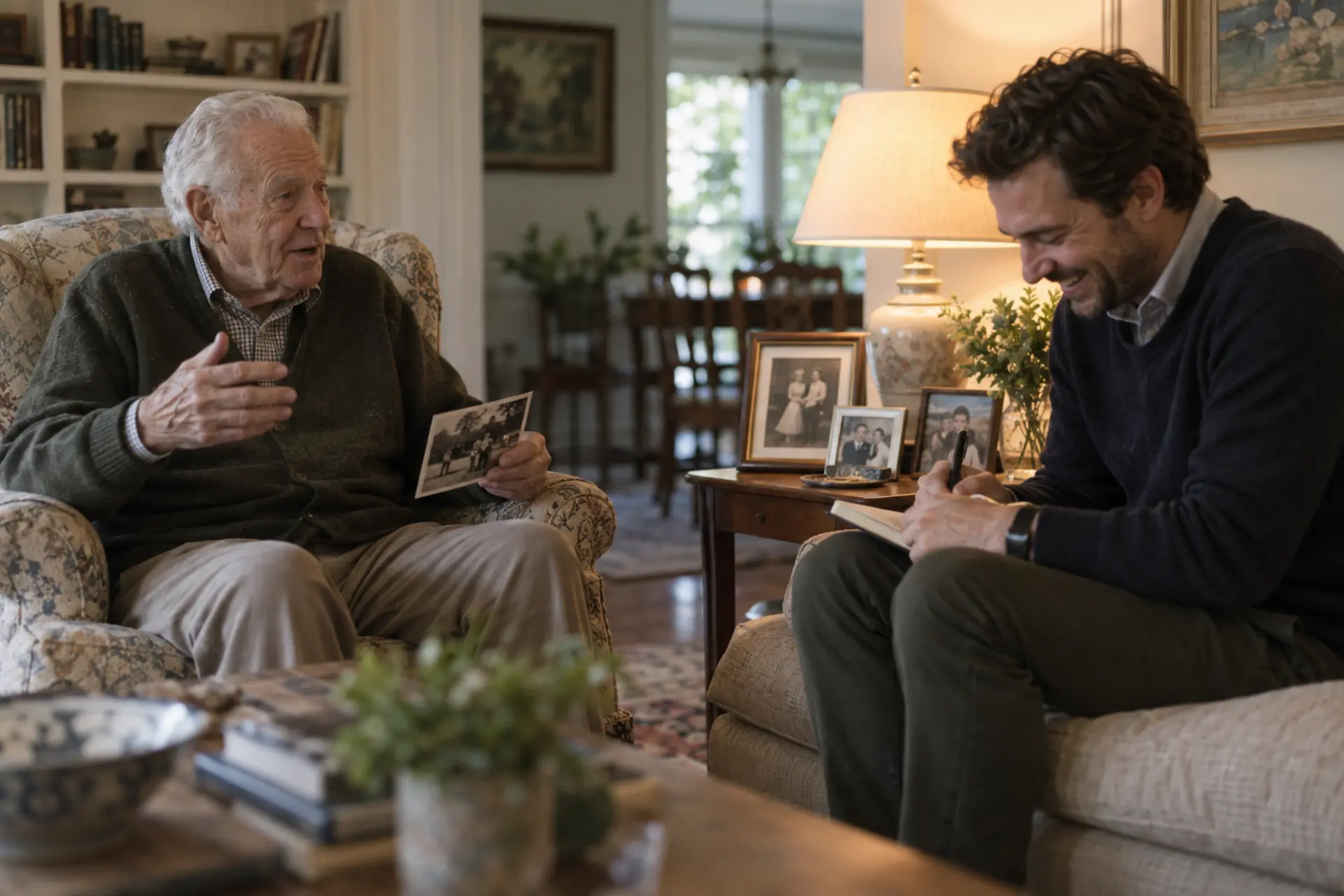
A lot of the most useful work is documentation. Names on the backs of photographs, the story behind a piece of furniture, where the family actually came from. It is genuinely engaging, it produces something the family keeps, and it tends to unlock far more conversation than a puzzle does.
This is not therapy and we make no clinical claims about it. It is the ordinary, well-evidenced idea that a mind with something to work on stays sharper than one without, and that it is far easier to keep going when there is company. Where a physician or therapist has given specific guidance, we work inside it.
In practice
- Card games, word games, trivia and puzzles matched to real ability, not padded down
- Memory work woven into conversation rather than drilled as an exercise
- Learning something genuinely new: a language, a period of history, an instrument picked back up
- Writing down family stories and provenance before the details go
- Reading the same book in parallel and arguing about it properly
- Crafts, watercolors, floral arrangements, and something finished to leave on the table
- Their stories recorded properly, and photographs sorted, labeled and kept
- Small deliberate difficulty, like doing something familiar with the non-dominant hand
- Planning something that requires real thought: a trip, a garden, a family celebration
In the rhythm of a week
It looks different from visit to visit.

Straightforward from the start
Every plan is quoted after a conversation.
Most families settle into a standing weekly visit of several hours once they know the relationship is working. The schedule, visit length and billing rhythm are confirmed in writing before a first visit, and there is no long-term contract.