
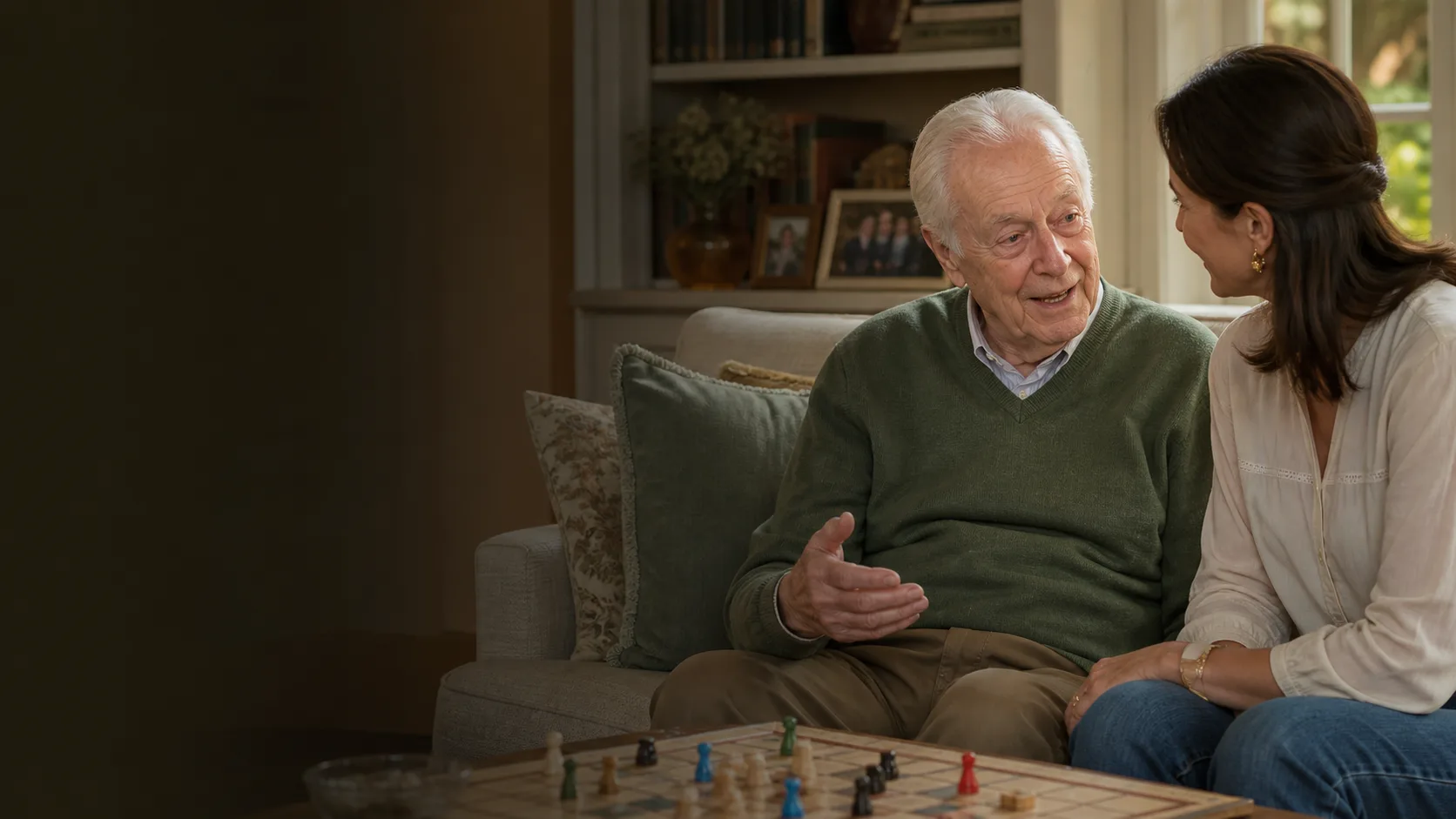
A senior companion is not a nurse, a home-health provider or a substitute for hands-on personal care. The role is relationship-led and non-medical. It is about showing up consistently, noticing what matters to the person and making it easier to keep participating in life.
What a visit can include
- A conversation over coffee or breakfast somewhere familiar
- A walk, gentle movement or time outside
- Technology help with a phone, tablet, photos or video calls
- A game, puzzle, hobby, music or creative project
- A grocery trip, organization project or familiar errand done together
- A local outing, or reconnecting with a place that used to be part of the routine
What makes it different from simply having someone present
The difference is intention. A thoughtful companion learns what gives a person energy, what they miss and what makes a day feel good. The activity is only one part of the value. Consistency, conversation and the feeling of being genuinely known matter just as much.
Being present is the job, not the setting for it. A companion who spends the visit on their phone has not delivered the service, regardless of how many hours were logged.
Who tends to benefit
An independent older adult may benefit when life has become less social, technology feels frustrating, favorite routines have fallen away, or family would like a more personal source of connection. The person should generally be able to take part in the relationship and make choices about their own visits.
When another type of support is a better answer
When someone needs medical care, medication management, hands-on personal care, substantial lifting or transfer help, or continuous supervision, a different kind of provider is safer and more appropriate. The right answer always depends on the person's actual needs.
My Modern Companion is non-medical. We do not provide nursing, medication management, hands-on personal care, clinical supervision, emergency services or continuous monitoring. Read our full service scope.