
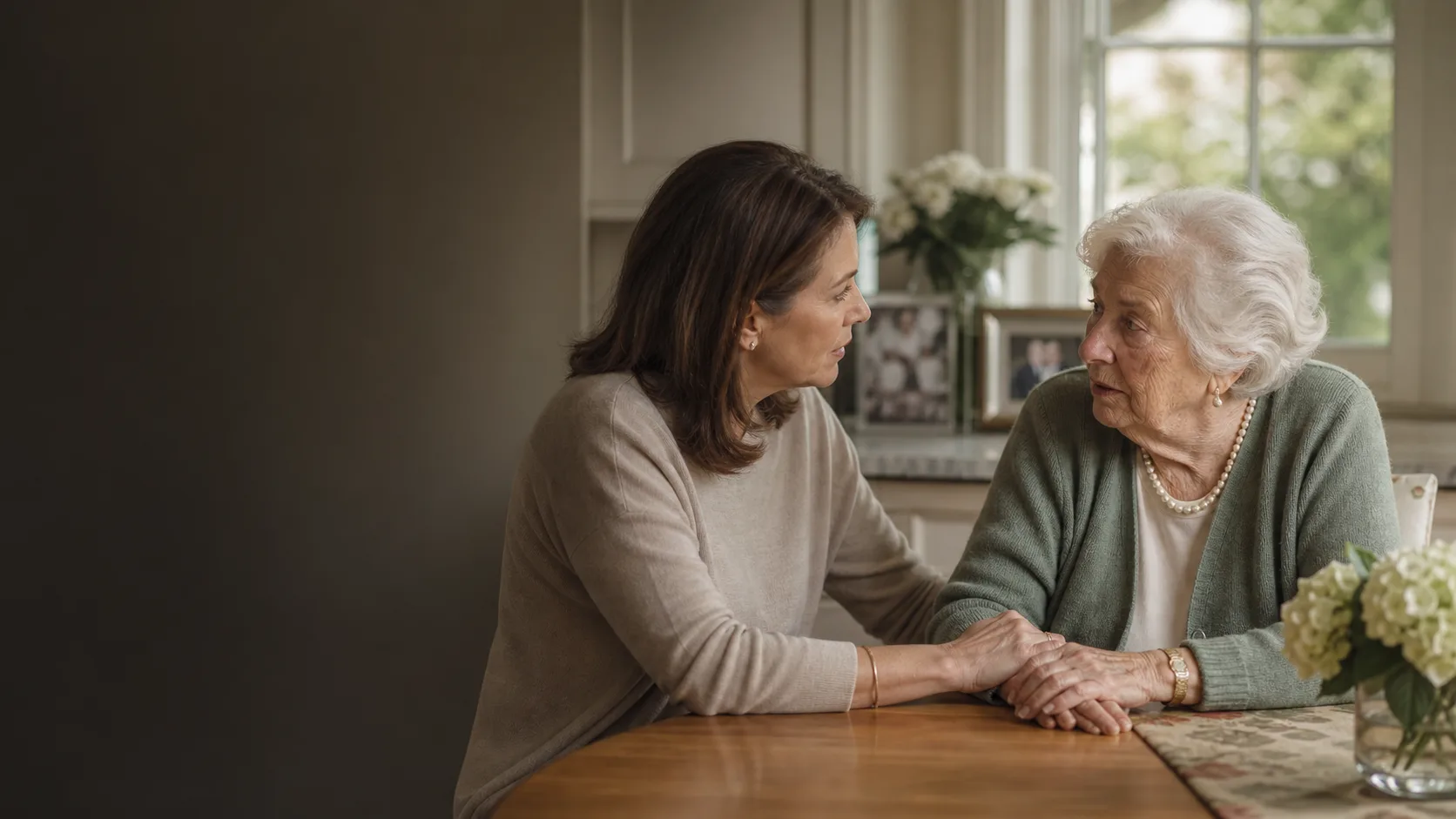
Many families wait for a crisis, because they worry that raising the subject of support will make a parent feel managed. That concern is well founded. Language and timing make a genuine difference.
Start with what they care about
Ask about a favorite place they have not visited lately, an interest they miss, a technology frustration, or a routine that would simply be more enjoyable with company. Listen properly before suggesting anything.
Use language that protects choice
- "I thought it might be nice to have more chances to do the things you enjoy."
- "What would make a good week feel more like your week?"
- "Would it be useful to have someone to do that with sometimes?"
Notice that none of these mention help, safety or need. They are invitations, and they leave the decision where it belongs.
Lead with the activity, not the service. "I found someone who plays golf on Thursdays" lands very differently from "I found someone to check on you."
Avoid framing it as supervision
Try not to make the conversation about watching, checking on or taking over. A companion is not there to judge or direct anyone. The point is a relationship that adds energy, connection and practical ease.
Make the first step small
An introductory visit is far easier to agree to than an open-ended arrangement. Start there, and let the person receiving support decide for themselves whether they enjoyed the company. Their buy-in matters more than almost anything else in this decision.
If a sibling disagrees
Get specific rather than general. "Mum is lonely" invites debate. "She has not left the house in nine days and she talked to me for ninety minutes on Sunday" does not. Shared observations tend to resolve these conversations faster than shared opinions.
A safety note
Safety comes first. If there are signs of a medical issue, significant cognitive change, falls, medication concerns or an inability to meet basic daily needs, involve the appropriate health professional or a qualified care provider. Companionship is not the right tool for those problems.